
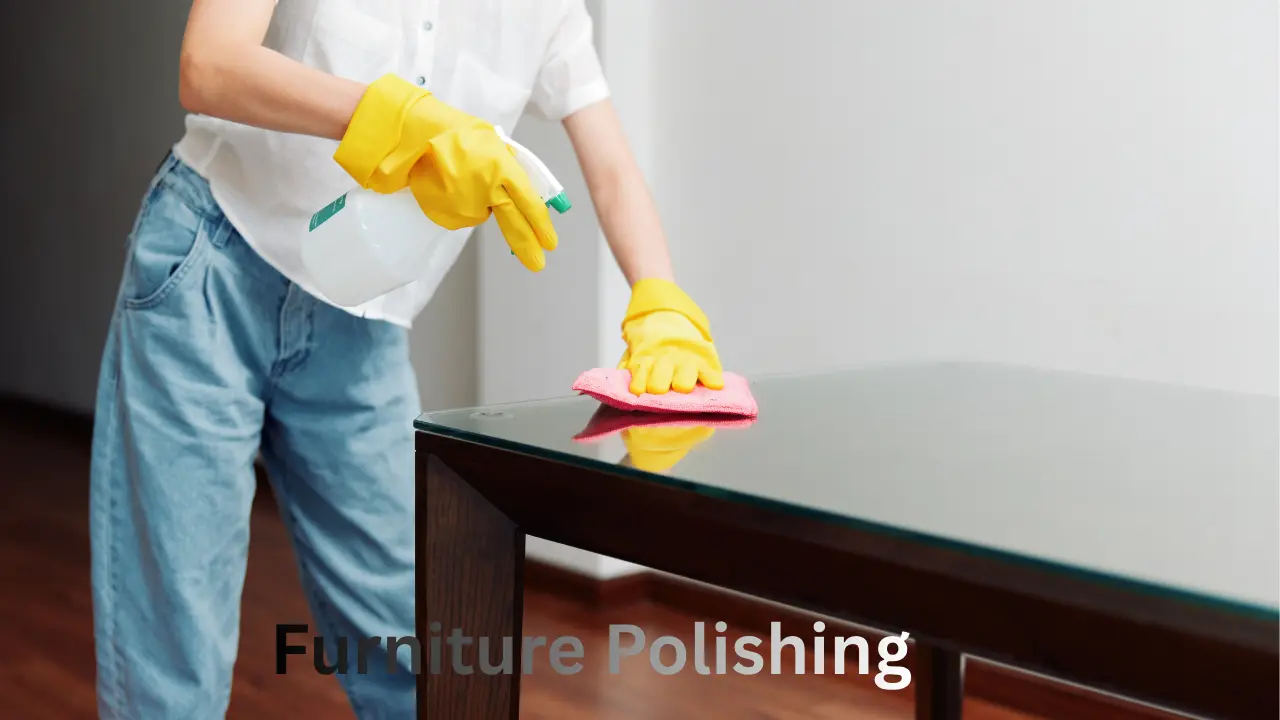
Introduction
Walk into any well-maintained home in Dubai, and you will notice one thing immediately — the furniture gleams. Whether it is a solid oak dining table, a handcrafted mahogany wardrobe, or a sleek teak sideboard, polished wood furniture has a quality that no other material can match. Over time, however, even the finest furniture loses its shine. Dust settles into the grain, small scratches accumulate, and the protective finish slowly breaks down.
Fortunately, furniture polishing can reverse all of that damage. More than just a cosmetic treatment, regular polishing protects wood from Dubai’s harsh climate, prevents costly repair work down the line, and restores furniture to a standard that looks better than the day it was bought. In fact, for anyone living in the UAE — where extreme heat, air conditioning, and dry air attack wood furniture constantly — polishing is not a luxury. It is essential maintenance.
In this complete guide, you will find everything you need to know about furniture polishing — from choosing the right polish and oil, to French polishing techniques, DIY home methods, professional furniture polishing services in Dubaihttps://luqmanpainters.com/, and realistic cost expectations. By the end, you will know exactly what your furniture needs and how to keep it looking exceptional for years to come.
What Is Furniture Polishing and Why Does It Matter?
At its core, furniture polishing is the process of cleaning, treating, and finishing the surface of wooden furniture to restore its shine, protect it from everyday wear and tear, and bring out the natural beauty of the wood grain. Depending on the condition of the furniture and the result you want to achieve, this process can involve waxes, oils, shellac, varnish, or lacquer-based products.
Think of it this way — wood is a living material. Even after it has been cut, shaped, and crafted into furniture, it continues to respond to its environment. It absorbs moisture, contracts in dry heat, expands in humidity, and reacts to the oils and products it comes into contact with. As a result, without regular polishing and care, even the highest quality wooden furniture will deteriorate far faster than it should.
Moreover, furniture polishing delivers a wide range of practical benefits that go far beyond aesthetics:
- It restores the natural colour and depth of the wood grain
- It fills in fine scratches and surface marks that dull the appearance
- Additionally, it creates a protective barrier against moisture, heat, and everyday dust
- It prevents the wood from drying out, cracking, or warping over time
- Furthermore, regular polishing significantly extends the lifespan of expensive wooden furniture
- It improves the overall appearance of your home or office interior
- Ultimately, well-maintained furniture adds real value to your property
Types of Furniture Polish — Choosing the Right One for Your Wood
One of the biggest mistakes people make with furniture care is using the wrong type of polish. Not all furniture polishes are the same, and selecting the right product depends on the wood species, the existing finish, the furniture’s current condition, and the final look you want to achieve. Below is a complete breakdown of every major type so you can make the right decision.
1. Furniture Polishing Wax — The Traditional Choice
For centuries, furniture wax has been the most trusted wood finishing product available. Unlike modern synthetic finishes, wax creates a warm, natural, low-sheen result that feels incredibly smooth to the touch and brings out the richness of the grain in a way that nothing else quite replicates.
Among all wax products, beeswax furniture polish stands in a class of its own. Polishing furniture with beeswax gives wood a soft, living lustre that synthetic polishes simply cannot match. Beyond the visual result, beeswax actively feeds and moisturises the wood from the surface down, preventing dryness and cracking over time. Consequently, for antique furniture polishing or traditionally crafted pieces, beeswax is always the first recommendation.
Furniture finishing wax and wood polishing wax are available in clear, neutral, and a wide range of tinted shades — from pale ash to deep ebony — allowing you to match, enhance, or subtly shift the existing colour of your furniture.
2. Furniture Polishing Oil and Wood Polishing Oil — Deep Nourishment
Rather than sitting on the surface like wax, furniture polishing oil penetrates deep into the wood fibres to nourish and protect from the inside out. The result is a natural, matte-to-satin finish that makes the wood look alive and genuinely healthy — not coated.
Popular options include Danish oil, teak oil, tung oil, and linseed oil, each suited to different wood types and situations. Among these, Danish oil is arguably the most versatile choice — it works well across most hardwoods and is straightforward enough for confident DIY application at home.
Many homeowners ask about polishing furniture with olive oil as a quick home remedy. While olive oil can provide a temporary surface shine in a pinch, it is not a reliable long-term solution. Over time, olive oil can turn rancid inside the wood grain, attract dust, and leave a sticky residue. For genuine, lasting wood care, always choose a proper furniture polishing oil specifically formulated for the purpose.
3. Furniture Polish Spray — Everyday Convenience
When it comes to quick, everyday furniture maintenance, a quality furniture polish spray is hard to beat. Products like Pledge furniture polish and Pronto furniture polish are trusted household names precisely because they deliver a clean, streak-free shine with minimal effort.
In a single step, a furniture polish spray cleans the surface, removes fingerprints and smudges, and applies a light protective coating that repels dust for days. However, it is important to understand that furniture polish sprays are maintenance products, not restoration tools. They keep freshly polished furniture looking great between professional treatments, but they cannot repair damaged finishes or deeply nourish wood the way oil or wax can.
4. French Polishing — The Pinnacle of Wood Finishing
Of all the furniture finishing techniques in existence, French polishing produces the most stunning results. This traditional method involves building up dozens of ultra-thin layers of shellac dissolved in alcohol using a specially prepared cloth pad called a fad, gradually creating a surface of extraordinary depth and mirror-like clarity.
Throughout history, French polishing has been reserved for the finest furniture, musical instruments such as violins and guitars, oak doors, antique restoration, and premium hardwood floors. Even today, the technique demands years of practice to master — which is precisely why skilled French polishers command a premium price for their work.
When light catches a properly French-polished surface, it glows with a warm, three-dimensional lustre that no modern synthetic finish can replicate. For anyone with genuinely valuable or antique furniture, therefore, French polishing is not a luxury. It is the only finish that truly does the piece justice.
5. PU Wood Polish and Furniture Finishing Varnish — Maximum Durability
For surfaces that face heavy daily use, PU wood polish (polyurethane varnish) offers the most durable protection available. Unlike wax or oil, furniture finishing varnish forms a hard, tough shell on the surface of the wood that resists water, heat, staining, and physical scratches far better than any natural finish.
As a result, PU wood polish is the first choice for dining tables, kitchen furniture, office desks, wooden floors, and any piece that sees heavy day-to-day contact. Available in high gloss, satin, and matte sheens, it offers flexibility in the final appearance while delivering the strongest protective performance.
The Wood Furniture Polishing Process — What Professionals Actually Do
Understanding the wood furniture polishing process helps you get the best results whether you tackle the job yourself or hire a professional service. Here is exactly how experienced furniture polishers approach the work, step by step.
Step 1 — Thorough Inspection
Before any product touches the furniture, a skilled polisher carries out a detailed inspection. During this stage, they identify the wood species, determine the existing finish type, and carefully note every scratch, water ring, dent, or area of worn-through finish. Based on this assessment, they select the most appropriate polishing method and products for that specific piece.
Step 2 — Deep Cleaning
Applying polish to a dirty surface is one of the most common furniture care mistakes people make. Accordingly, the first practical step is always a thorough clean. All dust, grease, old polish buildup, and surface grime must be removed completely using specialist furniture polish cleaners and carefully chosen solvents. Only once the surface is genuinely clean can the polishing process begin.
Step 3 — Sanding and Surface Preparation
For furniture undergoing a full refinish, sanding is an essential and non-negotiable step. Starting with a medium-grit paper and working progressively to a fine grit, the entire surface is sanded smooth to remove the old finish, eliminate surface scratches, and open the wood grain to accept the new treatment evenly. On larger flat surfaces, furniture polishing pads fitted to a drill speed up this process while maintaining a consistent result.
Step 4 — Applying the Polish or Finish
With the surface prepared, the chosen finish is applied carefully and methodically. Oil finishes go on in multiple thin coats, each allowed to soak into the grain fully before the next is applied. Wax is worked into the surface using a quality furniture polishing cloth, then buffed to a warm shine. French polish requires the fad technique — building up dozens of shellac layers through circular and figure-eight motions, with the polisher maintaining consistent pressure and rhythm throughout.
Step 5 — Final Buffing and Quality Check
Once the finish has cured fully, the final buffing stage brings everything together. Using a furniture polishing machine, a wood polishing wheel, or by hand with a clean cloth, the polisher buffs the surface to the desired sheen level. Before declaring the job complete, the piece is inspected carefully under multiple light conditions to ensure a flawless, even result across every part of the surface.
Furniture Polishing at Home — DIY Methods That Genuinely Work
For routine maintenance between professional treatments, there is plenty you can do at home to keep your wooden furniture in excellent condition. The following DIY furniture polish at home methods are simple, affordable, and genuinely effective when used correctly.
Homemade Furniture Polish Recipes That Actually Work
Lemon and Olive Oil Polish — the Classic Home Remedy:
Mix one cup of olive oil with half a cup of fresh lemon juice, shake the mixture well, and apply it to the wood surface using a soft furniture polishing cloth. Work it in with gentle circular motions, then buff to a shine with a clean dry cloth. The lemon juice cuts through old polish residue and grime, while the olive oil conditions and adds a warm surface sheen. As a result, this is one of the most popular homemade furniture polish recipes for everyday home use.
Beeswax and Lemon Oil Polish — the Professional-Grade Natural Finish:
Gently melt two tablespoons of natural beeswax in a double boiler, then stir in 100ml of lemon oil or food-grade mineral oil. Allow the mixture to cool until it reaches a thick, spreadable consistency, then apply it warmly to the wood surface using a cloth. Polishing furniture with beeswax this way builds up a genuinely protective, long-lasting finish that feeds the wood deeply. Moreover, it produces a beautiful natural lustre that improves with every application.
Vinegar and Olive Oil — the Quick Maintenance Blend:
Combine three parts olive oil with one part white vinegar and apply sparingly with a soft cloth. The vinegar breaks down old polish buildup and surface grime effectively, while the olive oil nourishes and adds a soft sheen. Use this natural furniture polish blend for quick weekly maintenance rather than as a deep treatment.
One important note: DIY furniture polish methods work well for routine care and light maintenance. However, for deep restoration, damaged surfaces, antique pieces, or particularly valuable furniture, always bring in a professional furniture polishing service rather than risk causing further damage.
What to Use to Polish Wood Furniture at Home
When choosing what to use to polish wood furniture at home, match the product to the purpose:
- Pledge furniture polish spray — ideal for quick daily maintenance and dust repelling
- Beeswax furniture polish — the best choice for antique and traditionally crafted pieces
- Danish oil or teak oil — perfect for hardwood furniture that needs deep nourishment and moisture
- PU varnish — the strongest option for high-traffic surfaces that need maximum protection
- A lemon and olive oil blend — suitable for a completely natural, chemical-free approach
Why Furniture Polishing in Dubai Is Especially Important
Dubai’s climate is genuinely one of the most demanding environments for wooden furniture anywhere in the world. Summer temperatures regularly exceed 40 degrees Celsius, while air conditioning systems run almost constantly indoors — creating extremely dry interior air that pulls moisture from wood and causes it to crack, shrink, and eventually split. On top of that, fine desert sand in the atmosphere creates microscopic abrasion on unprotected wood surfaces every single day.
Consequently, wood polishing in Dubai is not something you can afford to neglect. Without a proper protective finish, even high-quality furniture will show serious deterioration within a few years in the UAE climate. Here is specifically what unprotected wood faces in Dubai:
- Extreme heat causes wood fibres to expand and contract repeatedly, leading eventually to cracking
- Low indoor humidity from constant air conditioning dries wood out and causes splitting along the grain
- Airborne sand particles create surface scratches and dull the finish
- Summer humidity fluctuations cause wood to swell, warp, and move in its joints
- Intense UV sunlight bleaches and fades the natural wood colour when furniture is near windows
Given all of these threats, most furniture polishing professionals in Dubai recommend treating wood furniture at least every six months as a minimum. For high-use pieces such as dining tables, office desks, and wooden floors, quarterly professional polishing provides the most reliable long-term protection.
Professional Furniture Polishing Services in Dubai — When to Call the Experts
While DIY methods handle routine maintenance well, there are situations where professional furniture polishing services are not just preferable — they are essential. A trained furniture polisher brings specialist skills, professional-grade tools, and years of hands-on experience that produce results simply not achievable at home.
Call professional furniture polishing services near you when you notice any of the following:
- Deep scratches, gouges, or dents that home methods cannot address
- Water damage, white heat rings, or dark black stains embedded in the wood
- A finish that is peeling, flaking, or worn through completely in heavy-use areas
- Antique furniture that requires expert knowledge, colour-matching, and delicate handling
- French polishing or shellac restoration on valuable or decorative pieces
- Complete refinishing of entire furniture sets — bedroom, dining room, or office
- Polishing wood veneer, which requires extremely careful technique to avoid damaging the thin surface layer
- Specialist wood types such as redwood, teak, or ebony that need specific products and expertise
- Wood floor polishing services across large surface areas of your home
What to Expect from a Professional Wood Polishing Service in Dubai
When you book wooden furniture polishing services near you in Dubai, the process typically follows these stages:
- Initial assessment — the polisher visits your home, examines the furniture in person, and recommends the best treatment based on the wood type and condition
- Surface preparation — thorough cleaning, stripping of old finish where required, and careful sanding to create the ideal base
- Colour matching and repair — any scratches, chips, or damaged areas are repaired and colour-matched precisely to the surrounding wood
- Polish application — the chosen finish is applied in multiple coats using professional furniture polishing cloths, pads, or a furniture polishing machine
- Final inspection and buffing — the completed piece is checked carefully under different lighting conditions to ensure a perfect, even result throughout
- Aftercare guidance — the professional advises you on the best products and schedule for ongoing maintenance to protect the new finish
Furniture Polishing Cost in Dubai — A Realistic Guide
Understandably, one of the first questions most people ask before booking a service is: how much does furniture polishing cost in Dubai? The honest answer is that pricing varies depending on several important factors.
- The size and number of furniture pieces being treated
- The overall condition — heavily damaged pieces require significantly more preparation work
- The finish type chosen — French polishing is considerably more time-intensive than standard wax or oil
- Whether repairs are needed alongside the polishing work
- The wood species involved — exotic hardwoods like teak and mahogany need specialist products
- Whether the work is completed at your home or in a professional workshop
As a general guide, furniture polishing cost in Dubai typically starts from around AED 150 for a single small piece and can reach AED 2,000 or more for a complete bedroom set or large dining table requiring full refinishing. French polishing commands a noticeable premium over standard finishes given the time, skill, and multiple sessions the technique requires.
Rather than guessing, the best approach is always to contact a reputable furniture polishing service near you in Dubai and request a free home assessment. Most professional companies inspect the furniture in person and provide a detailed, accurate quote before any work begins — so you know exactly what you are paying for before committing.
Polishing Specific Wood Types and Furniture Styles
French Polishing Oak — A Classic Combination
Oak is one of the most beautiful furniture woods available, and French polishing oak produces outstanding results. The tight, characterful grain of oak holds shellac exceptionally well, creating a finish with extraordinary depth and visual warmth. Across Dubai, French polishing oak doors, cabinets, and dining furniture is a particularly popular service for villa owners and those furnishing traditionally styled homes.
Polishing Wood Veneer — Handle With Care
Wood veneer demands particularly careful treatment because the decorative surface layer is typically only 0.6mm to 2mm thick. Aggressive sanding or harsh chemical solvents can cut straight through the veneer, causing irreversible damage. For this reason, wood veneer polishing should always use gentle application methods — typically a light wax or furniture polish spray. Whenever the veneer is damaged, chipped, or requires restoration, professional furniture polishing services are strongly recommended over any DIY approach.
Wood Floor Polishing — Large Scale, Professional Results
Wood floor polishing follows the same principles as furniture polishing but across a much larger scale. Professional wood floor polishing services in Dubai use industrial-grade floor sanding and polishing machines to refinish hardwood floors to a beautiful, durable standard. If your wooden floor has lost its shine, developed surface scratches, or begun showing wear patterns in high-traffic areas, a professional floor polishing service can restore it — often to better than its original condition.
Leather Sofa Polish — Not Just for Wood
Many professional furniture polishing services in Dubai also offer specialist leather care alongside their wood services. Polishing leather sofas and chairs requires dedicated leather conditioners and polishes that clean, nourish, and restore the surface without causing drying or cracking. If your leather furniture is looking dull or beginning to crack at the surface, a professional leather polishing treatment can extend its life and restore the original suppleness significantly.
The Best Furniture Polish Products on the Market
With hundreds of furniture polish products available across Dubai and online, choosing the right one is genuinely confusing. To help you cut through the noise, here is a guide to the most popular and proven options:
Pledge Furniture Polish:
Arguably the world’s most recognised furniture polish brand, Pledge wood polish is available as a spray, wipe, and liquid. Lemon Pledge in particular is beloved for its clean citrus scent and streak-free shine on most wood surfaces. For quick weekly maintenance, it is hard to beat.
Beeswax Furniture Polish:
The natural choice for anyone serious about wood care. Beeswax for wood creates a beautiful, living protective finish that builds up gradually and improves with every application. It is especially well-suited to antique furniture and pieces crafted from traditional hardwoods.
Old English Furniture Polish:
A classic brand trusted by generations of furniture owners. Old English polishes are available in tinted versions that hide surface scratches and restore faded colour while polishing — a genuinely useful two-in-one result for furniture that has seen better days.
Diversey Furniture Polish:
Widely used by hospitality companies, hotels, and commercial cleaning businesses across the UAE, Diversey provides a professional-grade, long-lasting shine with strong dust-repelling properties — ideal for high-traffic commercial environments.
Natural and DIY Furniture Polish:
For those who prefer a completely chemical-free approach, plant-based natural furniture polishes using coconut oil, carnauba wax, and essential oils deliver gentle but effective care. These products are particularly popular in homes with young children and pets.
How to Use Furniture Polish Spray Correctly — Step by Step
Most people spray furniture polish directly onto the wood and wipe it off — and while this works, it is not the technique that delivers the best results. Instead, follow these steps for a truly professional finish:
- Always dust the surface first with a dry microfibre cloth to remove all loose particles — polishing over grit will scratch the finish
- Spray the furniture polish onto your cloth, not directly onto the furniture — this gives you far more control over how much product is applied
- Wipe across the surface in long strokes following the direction of the wood grain — this produces a cleaner, streak-free result
- Work methodically across the surface in sections, overlapping each pass slightly
- Buff the treated area immediately with a separate clean, dry cloth to remove excess polish and bring up the shine
- For stubborn fingerprints or marks, apply slightly more product to your cloth and work the area with gentle circular motions first, then finish with grain-direction strokes to eliminate any circular buffing marks
How to Remove Furniture Polish From a Wood Floor
Furniture polish that drips or gets accidentally spread onto a wood floor leaves a slippery, streaky residue that attracts dust and looks unsightly. Fortunately, removing furniture polish from a wood floor is straightforward when you follow the correct steps:
- Prepare a solution of warm water mixed with a small amount of dish soap in a clean bucket
- Apply the solution to the affected floor area using a soft mop or damp cloth
- Rub gently in the direction of the wood grain to dissolve the polish residue without scratching the floor surface
- Rinse the area thoroughly with clean warm water to remove all traces of soap
- Dry the floor immediately and completely with a clean, dry cloth — never leave water sitting on a wood floor
- For particularly thick or stubborn polish buildup, use a specialist floor polish remover product from any hardware or home improvement store in Dubai
How to French Polish Wood Furniture — An Expert Overview
French polishing is a skill that takes years to develop properly, but understanding the process helps you appreciate both the artistry involved and the value of what a skilled professional delivers. Here is how the technique works in practice:
Stage 1 — Surface Preparation:
Sand the wood through progressively finer grits, finishing at 400-grit or finer for a perfectly smooth base. Subsequently, fill the open grain pores using pumice powder and a shellac slurry — a technique known as grain filling — until the surface is completely level.
Stage 2 — Preparing the Fad:
The French polishing fad consists of absorbent wadding wrapped tightly inside a piece of lint-free linen or cotton cloth, folded to create a smooth, flat face. This fad is then charged with shellac dissolved in methylated spirits — the fundamental polishing medium of the entire process.
Stage 3 — Building the Body:
Using figure-eight and circular motions with light, consistent pressure, the polisher applies coat after coat of shellac in multiple sessions. Between sessions, the surface is cut back lightly with ultra-fine steel wool to level the finish before the next round begins. This patient, layered approach is what builds the signature depth that French polishing is famous for.
Stage 4 — Spiriting Off:
The final and most critical stage involves removing the last traces of oil from the surface using a clean fad charged only with pure methylated spirits. When done correctly, this spiriting-off process produces the extraordinary clarity and mirror-like finish that defines genuinely professional French polishing.
Given everything this process involves, it is always advisable to hire a professional furniture polishing service for any French polishing work. The difference between an experienced professional and an amateur attempt is immediately visible — and on a valuable piece, that difference matters enormously.
How to Maintain Polished Furniture — Tips to Make the Finish Last
Getting your furniture professionally polished is a worthwhile investment, and like any investment, it needs consistent care to deliver lasting value. Follow these practical maintenance tips to protect your polished wood furniture and keep it looking exceptional for years:
- Dust regularly with a soft, dry microfibre cloth — never a feather duster, which can deposit fine scratches on polished surfaces
- Always use coasters under glasses, cups, and bottles to prevent water rings from forming
- Place heat-resistant mats under hot dishes — direct heat from serving dishes and cups can blister even tough finishes
- Position furniture away from direct sunlight, or install UV-filtering window film to protect the wood from bleaching
- Maintain indoor humidity between 40 and 60 percent using a humidifier — particularly important in Dubai’s air-conditioned interiors during winter
- Apply a quality furniture polish spray every two to four weeks as part of your regular cleaning routine
- Schedule a professional furniture polishing service every six to twelve months to maintain the protective finish
- Never clean polished wood with all-purpose household sprays or bleach-based products — these strip the finish and dry the wood
- Blot liquid spills immediately with a dry cloth — never rub, which spreads the spill and can abrade the finish
FAQs
How do you French polish wood furniture?
French polishing involves building up dozens of ultra-thin layers of shellac dissolved in alcohol onto a perfectly prepared wood surface, using a soft cloth pad called a fad. The polisher uses figure-eight and circular motions to apply each coat, cutting back lightly between sessions and finishing with a spiriting-off stage that produces the technique’s signature mirror-like clarity. Because it demands years of practice to master, French polishing is best entrusted to a skilled professional furniture polishing service rather than attempted at home.
How do you remove furniture polish from a wood floor?
Mix warm water with a small amount of dish soap and apply the solution to the affected area using a soft cloth or mop. Rub gently in the direction of the wood grain to dissolve the polish residue, then rinse thoroughly with clean water and dry the floor immediately to prevent water damage. For heavy or long-standing buildup, a specialist floor polish remover product from a hardware store in Dubai will deliver a more thorough result.
How do you use furniture polish spray correctly?
Rather than spraying directly onto the furniture, spray the polish onto a clean soft cloth first. This gives you better control over how much product you apply and prevents the over-application that leads to streaky, sticky build-up. Wipe in the direction of the wood grain, then buff immediately with a separate dry cloth to bring up the shine. Always dust the surface before polishing to avoid trapping grit underneath the finish.
Is it better to use wax or oil for furniture polishing?
The best choice depends on your furniture and the result you want. Beeswax furniture polish is ideal for antique and traditionally crafted pieces, delivering a soft, natural sheen and genuine nourishment. Wood polishing oil, on the other hand, penetrates deeper and feeds the wood from within — making it better suited to hardwoods that need sustained moisture and protection. For high-use surfaces that face heavy contact daily, PU varnish or French polishing offer the most durable and long-lasting protection of all.
How often should you polish wood furniture in Dubai?
Given Dubai’s demanding climate, most professional furniture polishers recommend treating wood furniture at minimum every six months. High-use pieces such as dining tables, office desks, and hardwood floors benefit most from quarterly professional polishing. In between professional treatments, applying a quality furniture polish spray every two to four weeks maintains the finish and keeps the wood looking its best consistently.
Final Thoughts — Your Furniture Deserves Proper Care
Great furniture is an investment — in the quality of your home, in your comfort, and in the impression your space makes on everyone who walks into it. Regular furniture polishing protects that investment by keeping wood healthy, beautiful, and durable through Dubai’s challenging climate year after year.
Whether you choose to maintain your furniture at home using beeswax, wood polishing oil, or a good homemade polish recipe, or whether you prefer the reliability and results of professional furniture polishing services in Dubai, the single most important thing is consistency. Polish regularly, protect surfaces from heat and sunlight, treat spills immediately, and book a professional service at least once or twice a year.
Well-maintained wood furniture does not just look better. It lasts longer, performs better, and tells anyone who sees it that the person who owns it genuinely cares about quality. In a city like Dubai, where standards are high and first impressions count for a great deal, that is always worth the investment.
Need Professional Furniture Polishing Services in Dubai?
Our expert team provides complete wood furniture polishing, French polishing, antique restoration, wood veneer treatment, leather sofa polishing, and wood floor polishing services across Dubai and the UAE. We come directly to your home or office — no transport of furniture required.
Contact us today for a FREE home visit and quote!